You are under contract on a house in Pittsburgh, the inspection window is short, and somewhere in that thick home inspection report is one line about the chimney. Maybe it says "recommend further evaluation." Maybe "unable to fully inspect." You read past it, because the report had two hundred other things in it and none of them stopped you cold.
I want to slow you down on that one line. It is the part of the report that is quietly telling you it did not answer the question.
"Recommend Further Evaluation": What That Line Actually Means
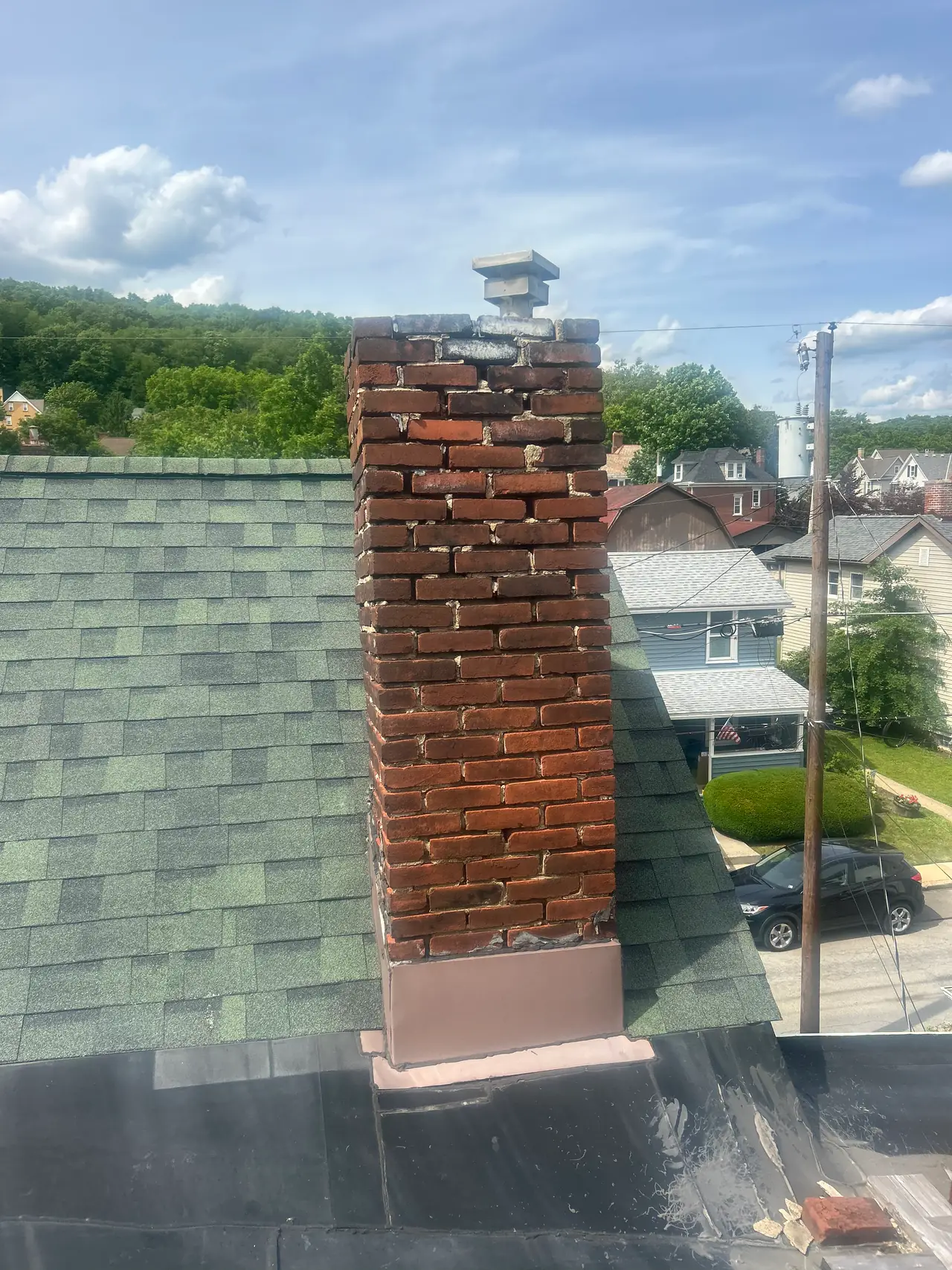
Home inspection reports have a small vocabulary for the chimney, and every phrase in it means the same thing underneath. "Recommend evaluation by a qualified specialist." "Recommend further evaluation." "Unable to fully inspect." That last one is doing the most work, and it is the one most buyers skim past.
Here is the plain translation. The report confirmed the chimney is there. It did not tell you the condition of the chimney. Those are two different facts, and the gap between them is where the expensive surprises live.
None of this is a knock on your home inspector. It is built into how the two jobs are scoped, and that difference is the whole point of this post.
A Few Minutes Versus One Whole System
A home inspector covers the entire house in a few hours. Roof, foundation, electrical, plumbing, HVAC, every room, and the chimney. The chimney gets a few minutes, usually a look from the ground and a glance at the firebox. That is not the inspector cutting corners. It is the scope of the job they were hired to do.
A chimney inspection is a different job. It is someone who does nothing but chimneys spending real time on one system. When the chimney is the only thing I am there to look at, I am not glancing at it between the water heater and the attic. I am on it.
That is the gap. It is not skill and it is not effort. It is attention and scope.
What I Actually Check When the Chimney Is the Only Thing I'm Looking At
When I inspect a chimney, I go through it piece by piece, using what I can physically get to:
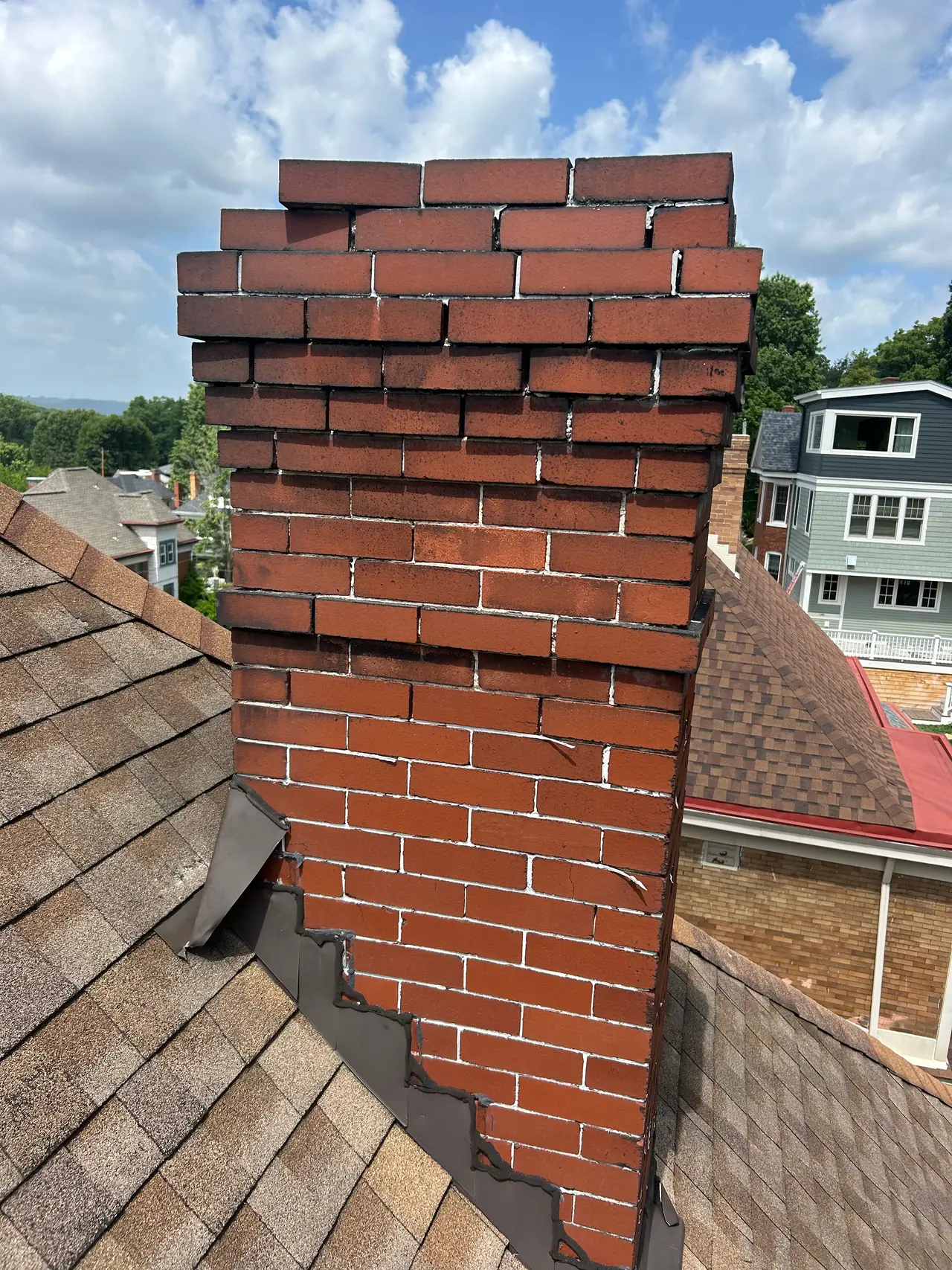
- The crown, the concrete slab at the top, for cracks and deterioration
- The brick and mortar joints for spalling, cracking, and the white staining that means water is moving through the masonry
- The flashing where the chimney meets the roof, the most common leak point
- The cap, or whether there is one at all
- The firebox and the damper
- The smoke chamber and the liner, as far as I can evaluate from the accessible openings
- The appliance connections, how the furnace or water heater ties in
- Whether the flue is even sized correctly for what is venting into it
That last one matters more than people expect, and it is a specific problem in this city. More on that next.
What Older Pittsburgh Houses Tend to Hide
Pittsburgh's housing stock is old, and old chimneys hide their problems well. The expensive failures are almost never the ones you can see from the living room.
A few things I run into again and again here:
Unlined flues. A lot of the pre-1950 housing across this market was built with chimneys that were never lined. The house has stood for seventy or a hundred years, so people assume the chimney is fine. An unlined flue venting a modern appliance is a different situation than the one it was built for.
Freeze-thaw damage. Pittsburgh runs through a lot of freeze-thaw cycles every winter. Water gets into the masonry, freezes, expands, and pries it apart, one cycle at a time. Decades of that is what cracks crowns and opens up mortar joints. I break down what that does to the crown, and the repair-versus-rebuild call, in my post on chimney crown repair in Pittsburgh.
Oversized flues from an oil-to-gas switch. A huge number of Pittsburgh homes were converted from oil heat to gas at some point. The furnace got swapped, but the chimney that vented the old oil furnace is the wrong size and material for gas, and that mismatch quietly damages the masonry. I walk through the whole thing in my post on switching from oil to gas heat.
Orphaned water heaters. When a high-efficiency furnace stops using the chimney, the water heater can get left alone in a flue far too big for it, and that is a real carbon monoxide concern. It is one of the most-missed problems I find, and a home inspection almost never catches it.
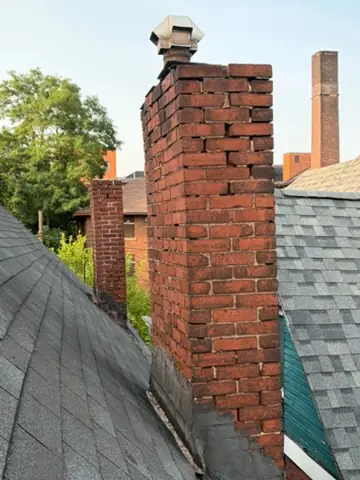
The type of house shifts by where you are looking, too. The older stock in the East End and the river towns tends to hide the unlined-flue and masonry problems. The mid-century stock in the South Hills is more likely to bring the conversion and appliance-venting issues. Different eras, different things to check for.
What a Chimney Inspection Costs, and What Moves the Number
Here is the part you actually clicked for.
The inspection itself is the cheapest number in this entire process. It is a flat fee, and I will tell you exactly what it is when you call. Set against the price of the house and the cost of the repairs it can catch before you own them, it is not the number that should worry you.
The numbers that move are the findings. They sort roughly into three buckets:
- Cosmetic. Surface staining, minor mortar wear, a cap that could be nicer. Real, worth noting, not urgent.
- Moderate. A cracked crown, worn flashing, a missing or failed cap. Not a crisis, but a real cost, and better handled sooner than later. I lay out the actual ranges for crown repair and chimney caps in those posts so you can size them.
- Structural. An unlined or wrong-sized flue, a chimney that needs relining, or serious masonry rebuilding. This is the bucket you want found before closing, not after.
What moves any one of those: how accessible the chimney is, its height, the roof pitch, and what the inspection actually turns up once I am on it. That is why I quote ranges and not flat prices. Anyone giving you an exact number for your chimney before looking at it is guessing.
When It Is Not a Big Deal
I am not here to turn every crack into a crisis. Plenty of what I find is cosmetic, and I will tell you so plainly. A little efflorescence on the brick, a bit of mortar wear on a chimney that is otherwise sound, an older cap that still does its job. Those are notes for the file, not reasons to blow up your deal.
The reason to have the inspection done is not to find something. It is to know which bucket you are actually in before you sign, instead of guessing.
The Window Is Short, and That Is the Whole Point
Your inspection window does not stay open. Findings that turn up while you are still under contract are a conversation you can have before closing. The same findings after closing are just yours. I am not going to give you legal or contract advice, that is not my lane, but the timing math is simple enough to state: the chimney is easier to deal with now than it is the day after you get the keys.
If that one line in your report is bugging you, that is the right instinct. Book a chimney inspection and I will tell you the actual condition of the chimney, in plain terms, in time for it to matter. Or call me directly at (412) 440-5871.